

AI-Summary – News For Tomorrow
The Moravian Archives in Bethlehem, PA, will host a lecture on September 9th titled “An Establishment of Order and Prosperity: Outsider Visitation to Moravian Bethlehem.” Curator Christopher Malone of Historic Trappe will discuss the planned utopian origins of Bethlehem, influenced by Count von Zinzendorf. Malone will explain how non-Moravian Henry Antes built the town according to the religious leaders’ plans, which began attracting “tourists” in the 1750s thanks to Nicholas Garrison’s prints. The American Revolution increased visitation, leading to inns like the Crown Inn. The board of overseers, though, weren’t pleased with the changes.
News summary provided by Gemini AI.
Moravian Church Settlements – Bethlehem
The Archives, located at 41 West Locust Street in Bethlehem, sees as its mission to “collect and preserve records and historical materials of Moravians in North America and make them available to the public.” It holds records going back to 1740.
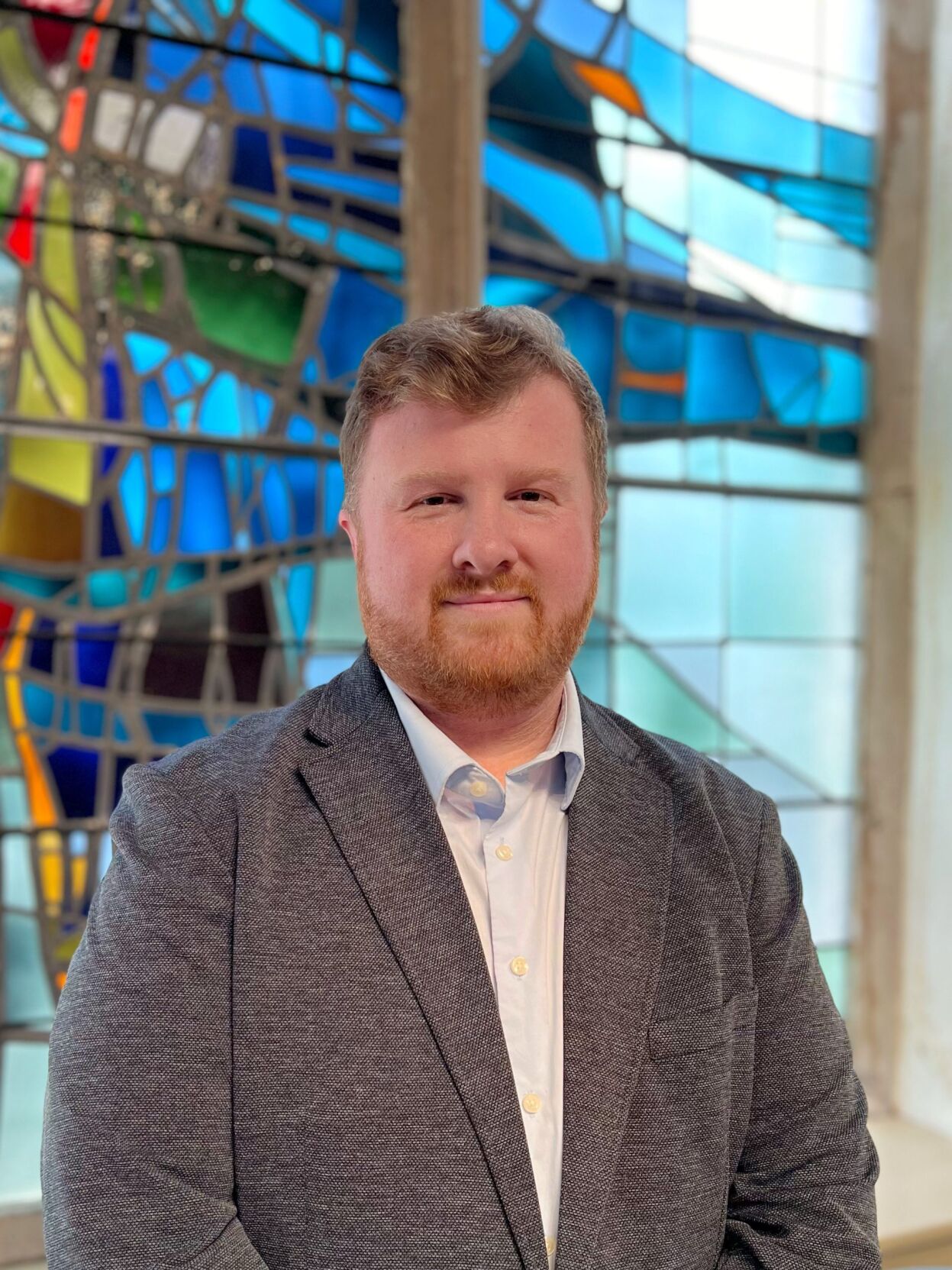
In keeping with the Archives’ mission, it is offering a lecture titled “An Establishment of Order and Prosperity: Outsider Visitation to Moravian Bethlehem.” It will be held at the Archives on September 9 from 4:00 p.m. – 5:00 p.m. A reception will follow. The speaker will be Christopher Malone, curator of Historic Trappe, a Pennsylvania German community founded in the 1740s perhaps best known as the home of pioneering Lutheran pastor Henry Melchoir Muhlenberg (1711-1787) and his prominent family.
Christopher Malone
Malone focuses on Pennsylvania German material culture and the Moravians and other international communities. He holds an MA in architecture from Syracuse University and an MA in American material culture from the Winterthur Program. Malone has worked for the Moravian Historical Society and was the curator at the American Swedish Historical Museum. He is also currently the curator at the Lutheran Archives Center in Philadelphia.

Nikolaus Ludwig, Reichsgraf von Zinzendorf und Pottendorf
Curator Malone points out that the planning of Bethlehem was rooted in concepts of utopian communities that were well known in the 1740s. “Zinzendorf almost certainly knew from his studies at Halle (University) of them,” he says referring to the founder of the town, Count von Zinzendorf. “He came over here and named the city itself at Christmas,” he notes. “The idea of separate dwellings for single men and single women were all a part of that.”
Malone notes that it was Henry Antes, a non-Moravian, who built the town, instructed by the religious leaders of the community as to what they wanted to see. By the 1750s the first “tourists” begin to arrive. Many were attracted by the prints of Bethlehem done by Nicholas Garrison, an English Moravian. “He did them from a distance creating a “city on a hill” effect,” says Malone. They were soon decorating the drawing rooms of Europe.

Moravian settlement
In the 1750s and 60s and 70s, thanks to the American Revolution, the trickle of visitors suddenly became a flood. The Crown Inn and later the Sun Inn and even later the Golden Eagle Hotel, where the Hotel Bethlehem is today, were drawing guests. Malone notes that from 1790 to 1799 his ancestors were the innkeepers at the Sun Inn.
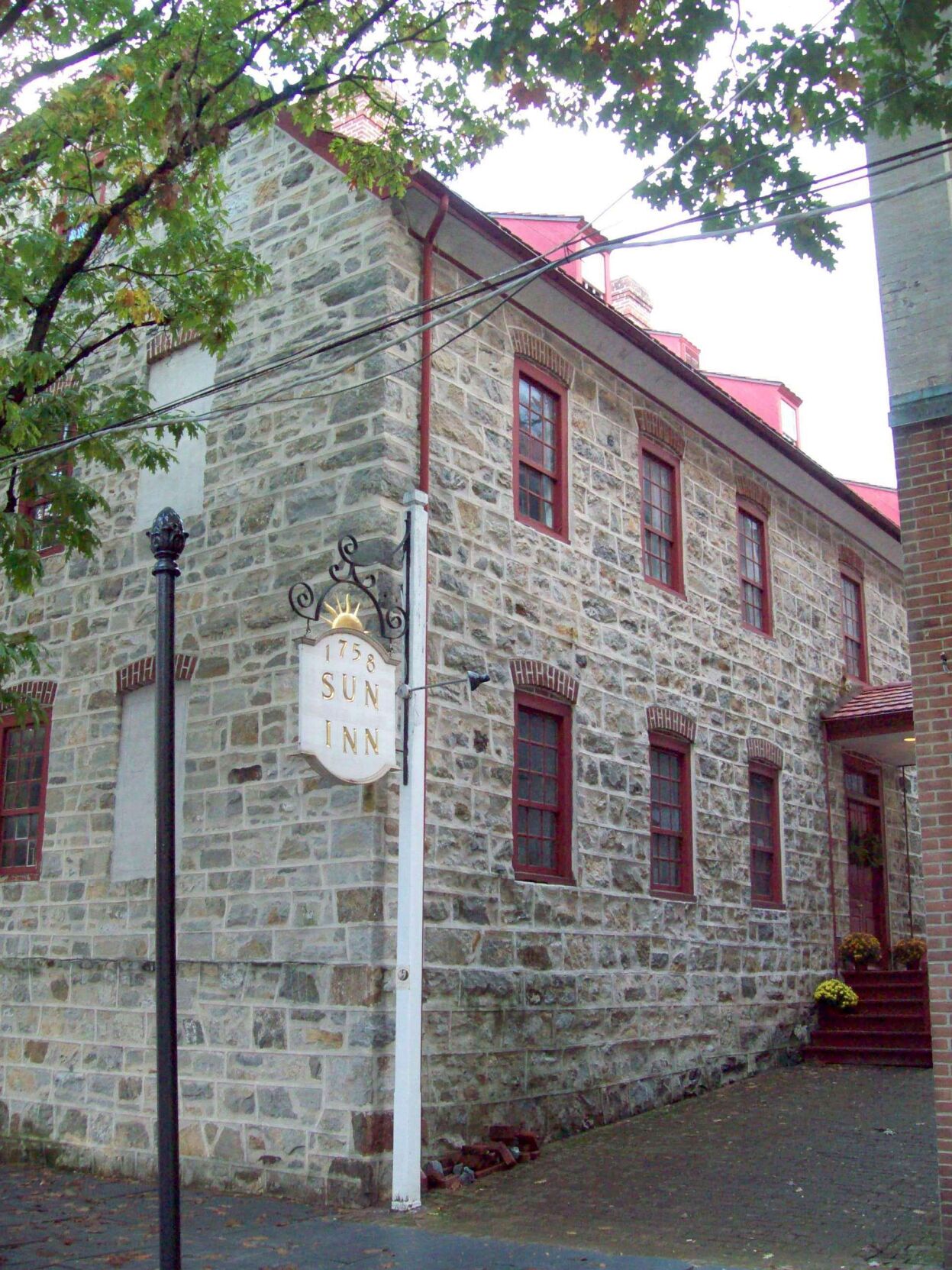
He adds that during the yellow fever epidemics of the 1780s and 90s many Philadelphians spent their summers there. In 1839 no less than a figure then President of the United States Martin Van Buren was feted by local Democrats at a breakfast at the Eagle Hotel.
These changes were not something that the Aufseher Collegium, the board of overseers that controlled the town, were happy with. They set the hours for the inns and who could own land or operate a business.
The southside that had largely been a cow pasture and wheat field by the 1850s boasted a zinc works and eventually a steel mill. According to the late Canal Museum historian Lance Metz, industrialists like Asa Packer and Robert Sayre regarded the Moravians as quaint, interesting relics of a picturesque past.

